-

- Find a Property
-
Sell
iconSell Your Property
- Agents
-
Explore
iconExplore
-
Blog & More
iconMarket Insights


January 9, 2026
4 Min Read
 484 Views
Isaiah Ajala on NYC Residential Real Estate: What 2025 Revealed and What’s Next
By Isaiah Ajala
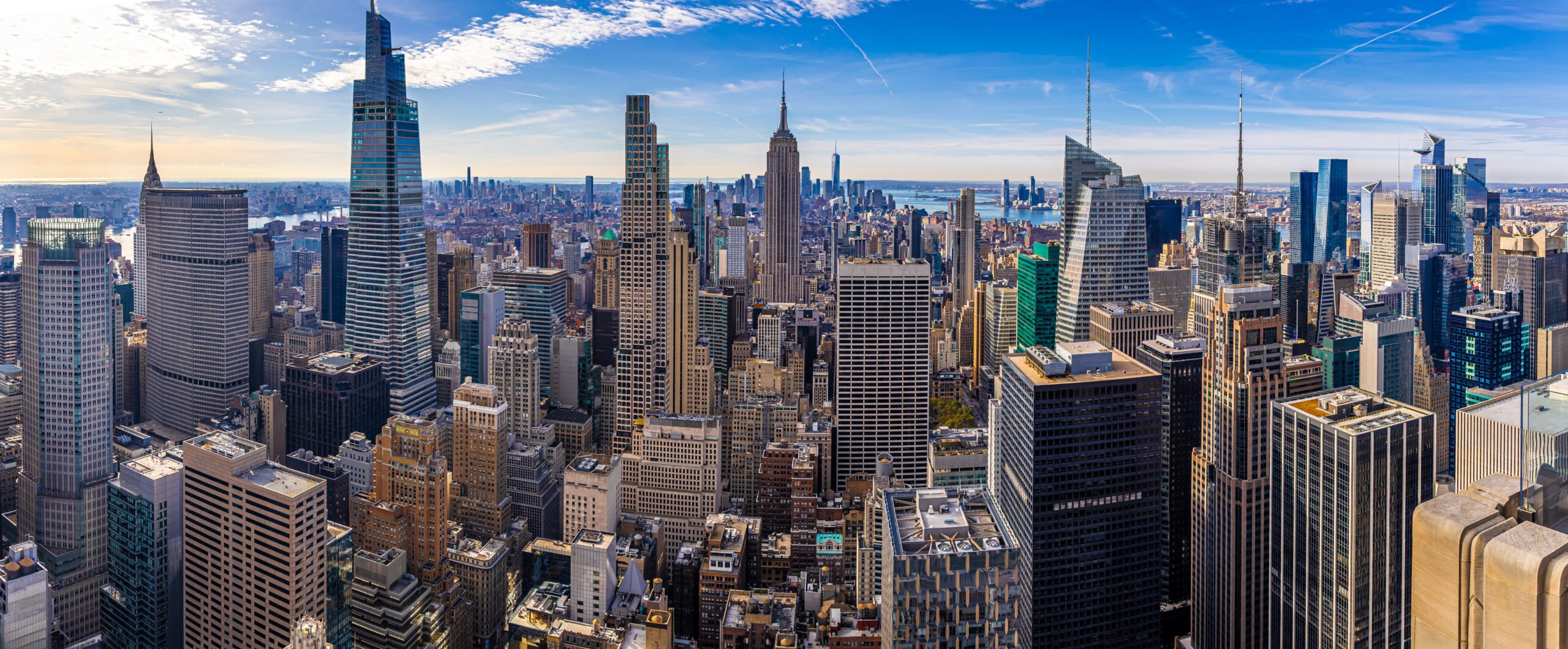
The New York City residential real estate market in 2025 proved to be a narrative of remarkable resilience and strategic adaptation. While much of the United States grappled with a housing slowdown, New York City frequently bucked national trends, demonstrating a “Great Housing Reset” characterized by stabilizing rates and a shift toward a more balanced market.
2025 Review: A Market of Resilience and “Smart Pricing”
Mortgage Rates and Affordability The defining economic lever of 2025 was the gradual decline of mortgage rates. After starting the year near 7%, the average 30-year fixed-rate mortgage dropped to 6.15% by the end of December 2025, its lowest level of the year. Despite this relief, affordability remained a critical crisis; New York State maintained the lowest homeownership rate in the U.S. at 51.3%, driven by property prices that far outpace local income growth.
Buyer Sentiment and Seller Behavior Buyer confidence remained strong, with NYC seeing a 5.8% increase in new contract signings mid-year, marking nine consecutive months of growth. Sellers became increasingly pragmatic, adopting “smart pricing” strategies to attract buyers without steep cuts. In Manhattan, sales volume rose 10% annually by Q3, reaching $6.56 billion, fueled by a very active luxury segment. Inventory also began to rebuild, with NYC seeing over 17,000 homes for sale—an 11.2% year-over-year increase.
Rental Pressures and Policy Shifts The rental market remained “tight but with more sweeteners”. While Manhattan’s median rent hit a record high of $4,800, concessions (such as free rent) rose to 23.5% citywide as new developments competed for tenants. On the policy front, the FARE Act began reshaping the market by requiring landlords to pay broker fees, while the mayoral election of Zohran Mamdani, who ran on a platform of freezing rents for stabilized apartments, introduced new political variables.
2026 Forecast: The Rebound and Normalization
As we move into 2026, the market is expected to enter a rebound phase defined by clearer opportunities and greater stability.
Pricing Direction and Transaction Volume Experts predict a steady, modest appreciation in home values, likely in the 3% to 5% range citywide. Transaction volume is expected to rise as pent-up demand is unlocked by mortgage rates potentially easing into the high 5% to low 6% range. Redfin predicts a 3% increase in existing home sales nationally, a trend likely to be mirrored in NYC’s liquid market.
Landlord Impacts and Rental Trends Landlords will face a complex environment. While rental demand remains high due to the city’s strong job market, an influx of approximately 24,800 new rental units across Brooklyn and Queens over the next three years will provide renters with more choices. Rent growth is expected to slow to a more sustainable 2% to 3% annually, roughly the pace of inflation.
Borough and Segment Performance
• Manhattan: The ultra-luxury segment and turnkey, renovated homes will continue to outperform. Neighborhoods like Hudson Yards (NYC’s priciest for six years) and the Upper East Side will remain dominant due to limited new supply and high international demand.
• Brooklyn: Brooklyn is expected to continue its steady ascent, now placing 22 neighborhoods in the city’s top 50 priciest areas, led by Cobble Hill and Dumbo.
• Queens: Long Island City will be a hub of activity with a high pipeline of new developments, offering buyers and renters significant negotiating leverage due to high inventory.
• The Bronx: This borough is projected to lead in rental inventory growth, providing much-needed relief and higher concession rates for price-sensitive renters.
Conclusion: What to Expect in 2026
The year 2026 will be a strategic year for New York City real estate. It will not be a year of dramatic “fire-sale” discounts, but rather a “competition story” where well-priced, move-in-ready homes dominate the market. As mortgage rates stabilize, the “rent-versus-buy” equation will begin to tilt back in favor of ownership for long-term residents. While political changes and high insurance costs remain “wild cards,” the fundamental strength of the NYC market suggests a transition from post-pandemic volatility to measured, sustainable growth.
My Take for 2026:
• Price Growth: Expect modest appreciation (3-5%) rather than a sharp correction.
• Mortgage Rates: Likely to hover in the low-6% range, occasionally dipping lower, which will sustain buyer interest.
• Inventory: Supply will slowly rebuild, particularly through office-to-residential conversions and new developments in Queens.
• Rental Market: Rents will stabilize as concessions remain prevalent in new construction hubs like Long Island City and the Bronx.
• Hyperlocal Focus: Success will depend on neighborhood-specific insights, as performance varies wildly between luxury Manhattan condos and family-oriented Queens co-ops.
January 9, 2026
4 Min Read
484 Views
Search Blog