-

- Find a Property
-
Sell
iconSell Your Property
- Agents
-
Explore
iconExplore
-
Blog & More
iconMarket Insights


June 25, 2026
2 Min Read
250 Years, Timeless Homes: BHS Listings That Preserve America’s Past
By Hannah Minnick
As the United States commemorates the 250th anniversary of the signing of the Declaration of Independence, it’s the perfect opportunity to reflect on the places that have witnessed generations of American history. From Colonial-era farmhouses and maritime estates to landmark Manhattan townhouses and Brooklyn brownstones, these Brown Harris Stevens listings offer more than beautiful architecture—they preserve the stories, craftsmanship, and character that have shaped our communities. Step inside these remarkable homes where history isn’t just remembered—it’s still being lived.
29 Grove Street – West Village, Manhattan
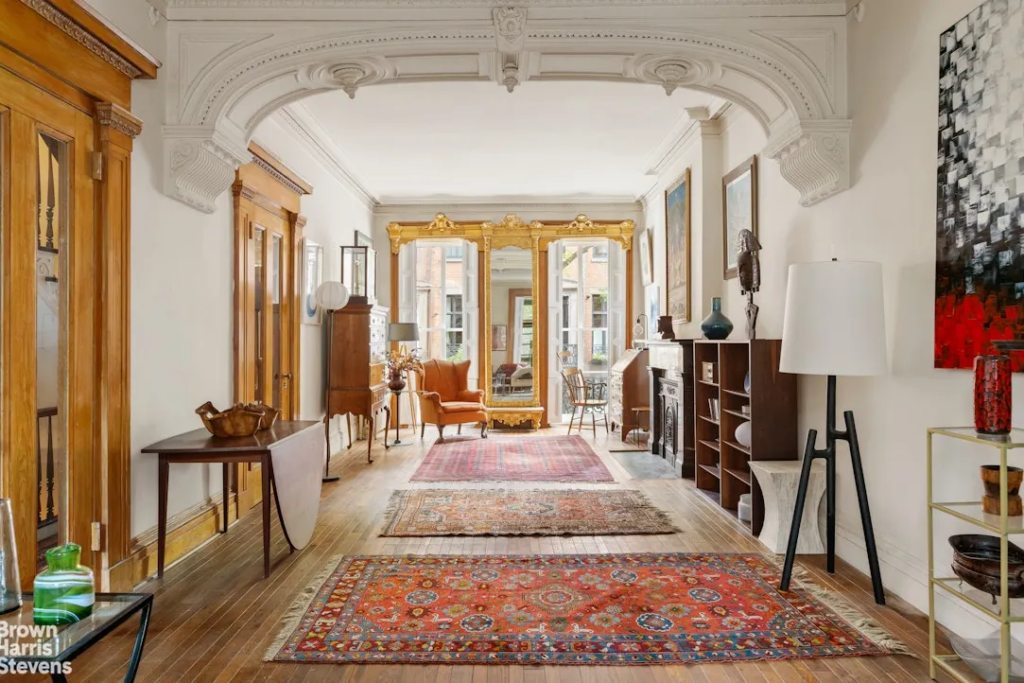
Built in 1841, this Greek Revival townhouse has stood through nearly two centuries of New York history and remained in the same family for over 100 years. The home is also believed to have served as a stop on the Underground Railroad, making it a rare survivor of both the city’s architectural and social history.
712 Broadway #3 – NoHo, Manhattan
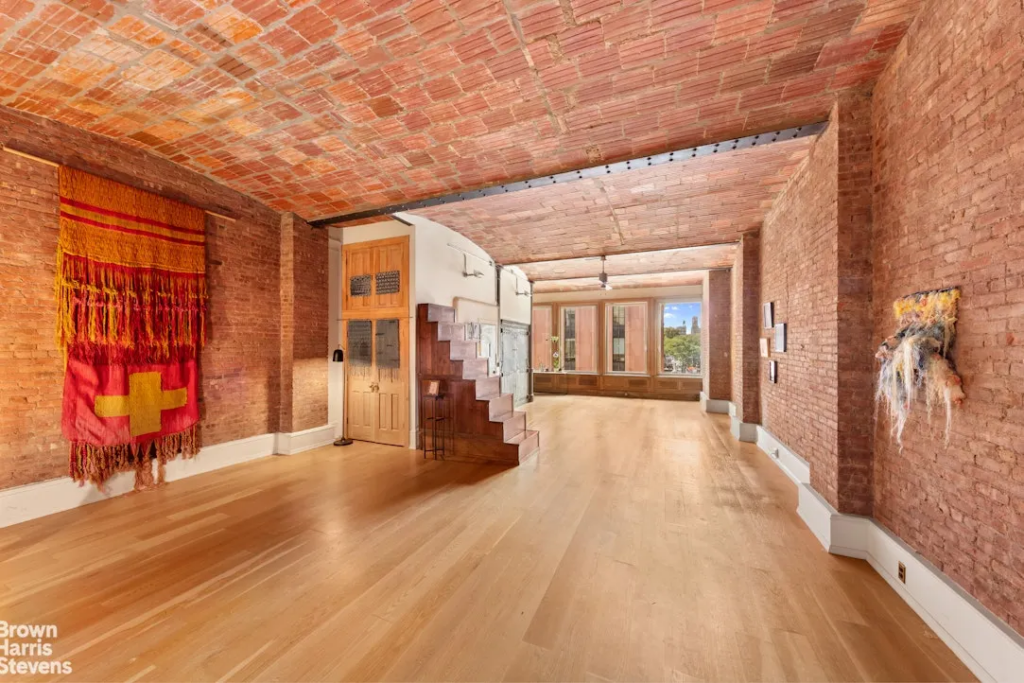
Designed by renowned architect Alfred Zucker and completed in 1892, this striking Romanesque building reflects NoHo’s transformation from a commercial district into one of New York’s most celebrated arts neighborhoods. It was later converted into an artist cooperative, preserving its creative legacy.
61 Lower Seven Ponds Road – Water Mill
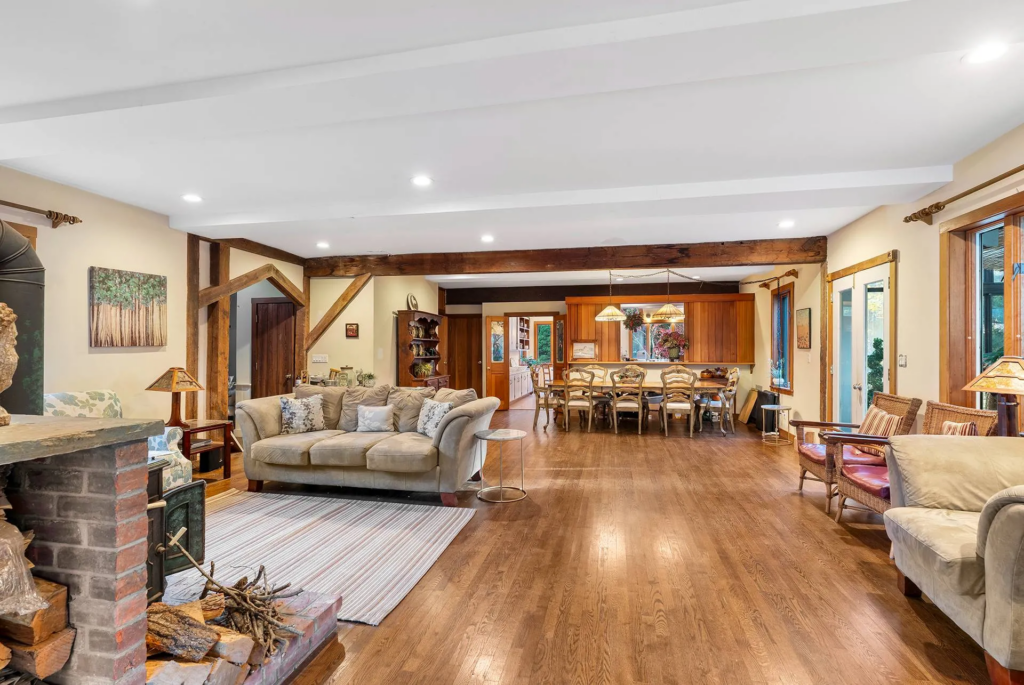
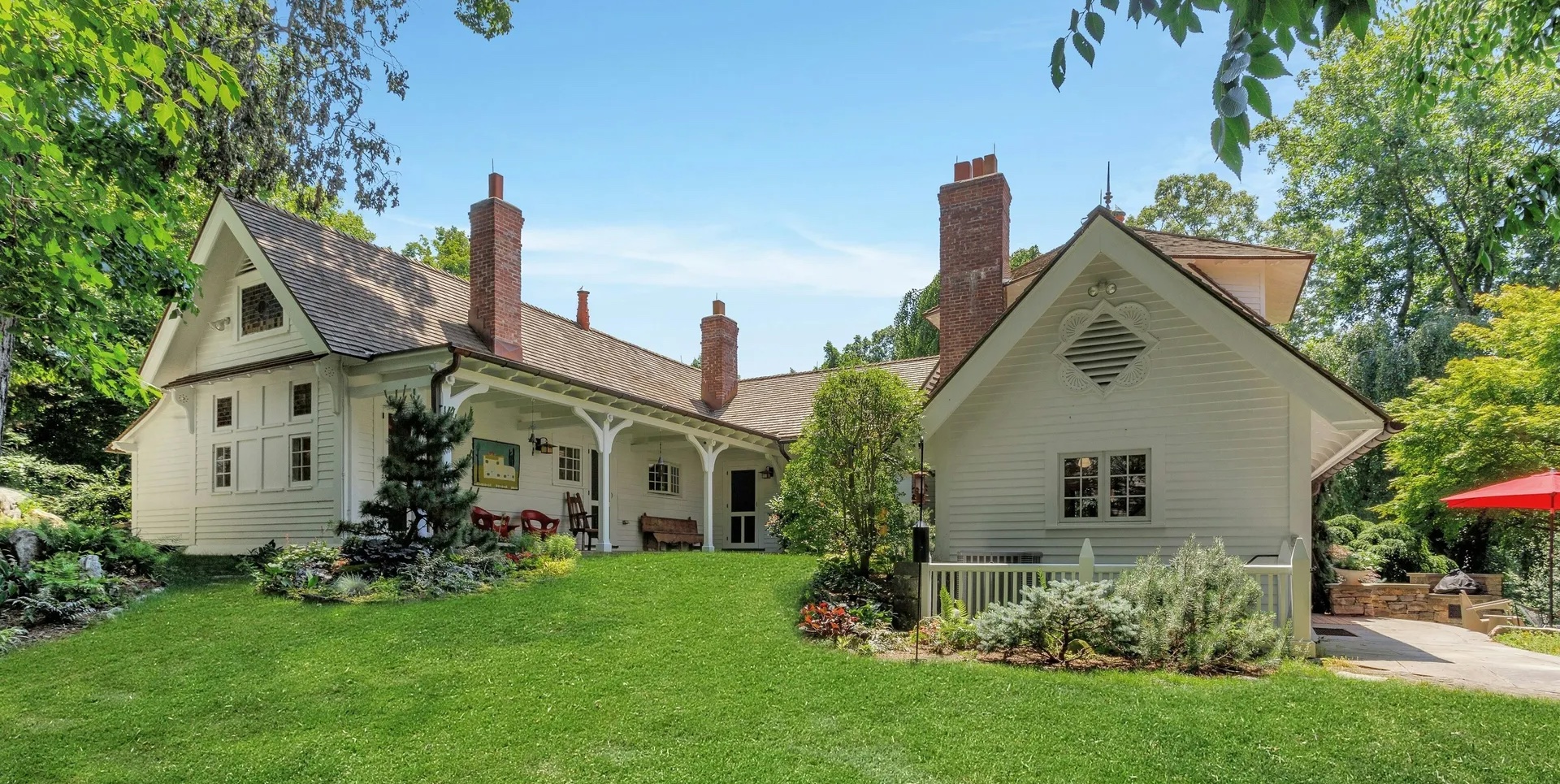
Originally built in 1898, this estate recalls the Hamptons’ agricultural roots, when Water Mill was defined by farms and open countryside rather than luxury retreats. Set on nearly nine acres, it preserves the character of one of the region’s historic country estates.
70 South Ferry Road – Shelter Island
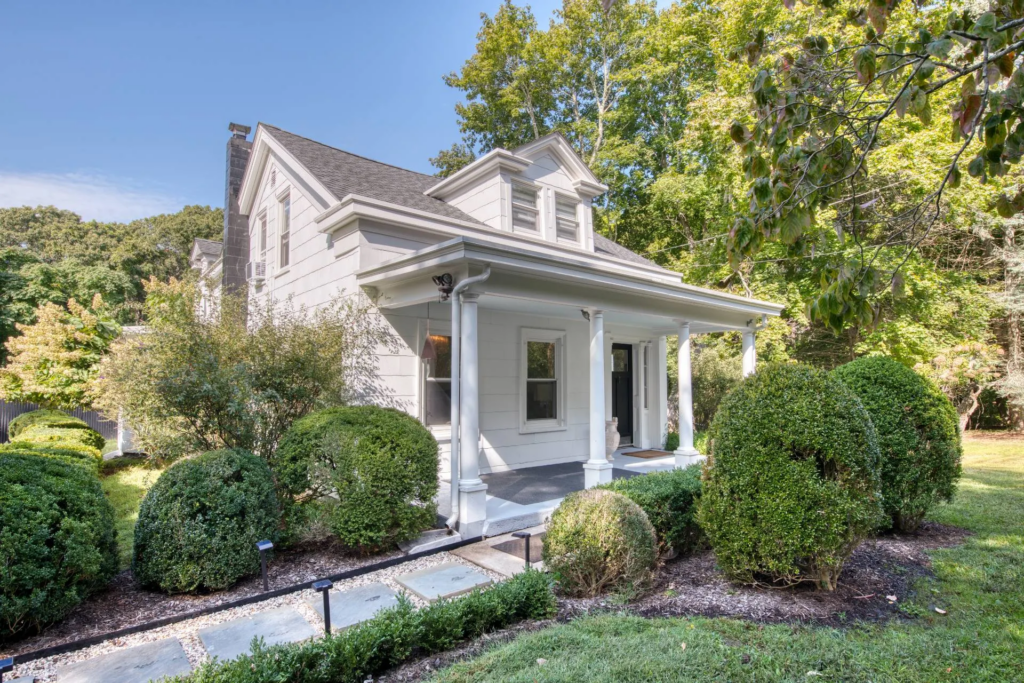
Dating to 1822, this historic residence was originally built by local craftsman Gabriel Crook and first owned by whaling captain Sylvester Cartwright, reflecting Shelter Island’s rich maritime heritage. It remains one of the island’s earliest surviving homes from the first half of the 19th century.
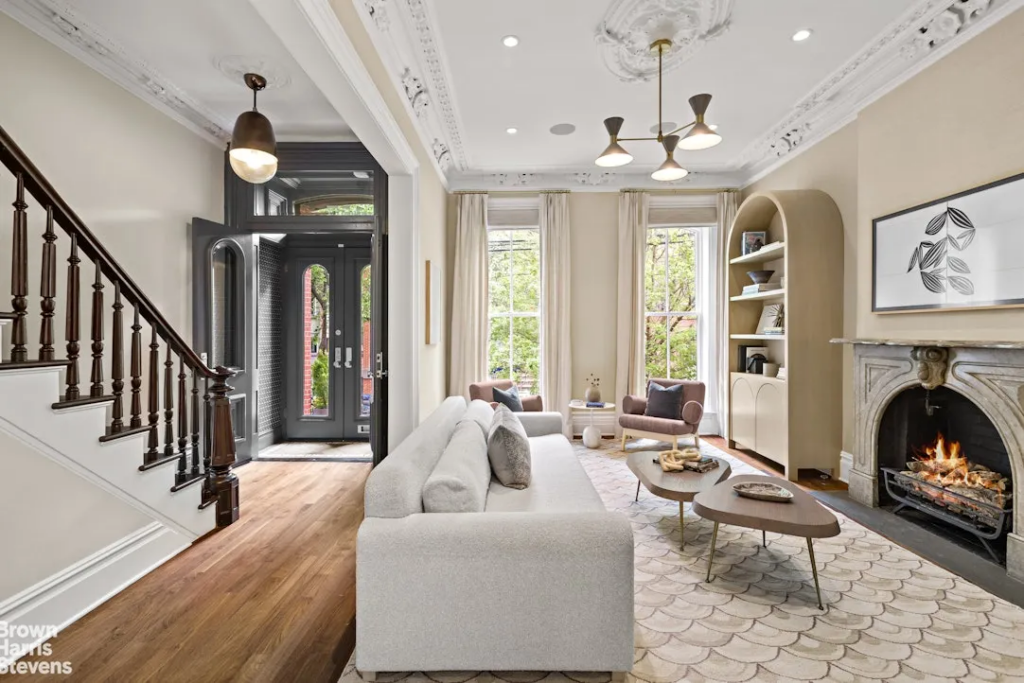
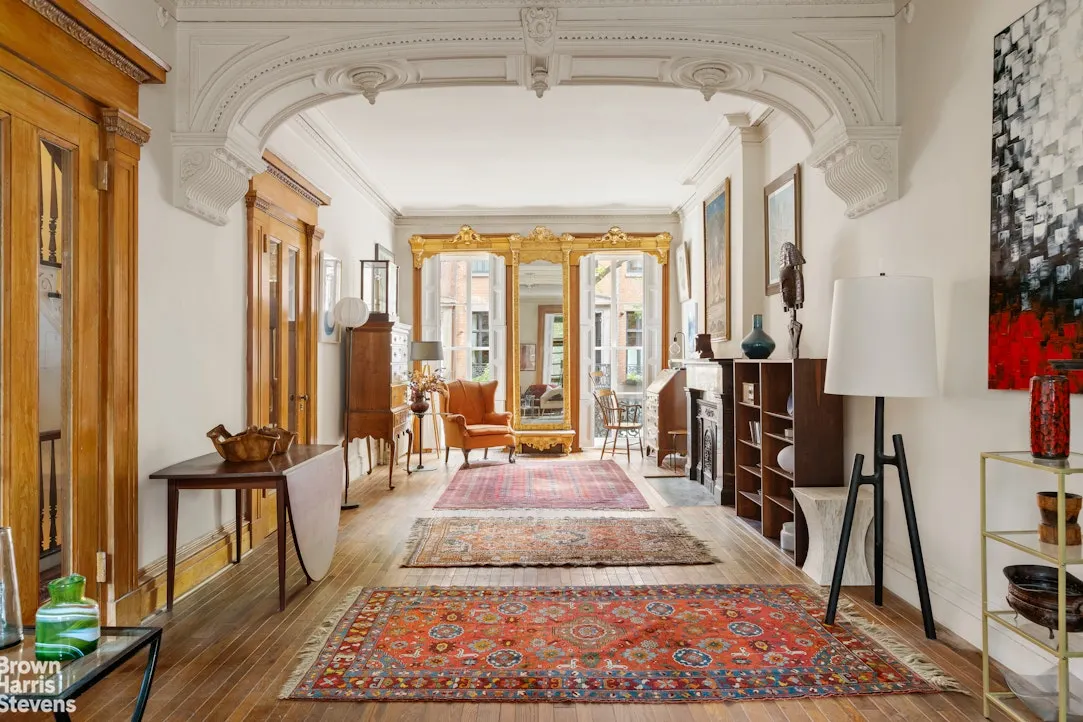
Built at the turn of the 20th century (circa 1901), this classic Hoboken brownstone exemplifies the elegant brick rowhouses that emerged during the city’s industrial boom. Its thoughtful restoration preserves original architectural details while celebrating Hoboken’s historic streetscape.
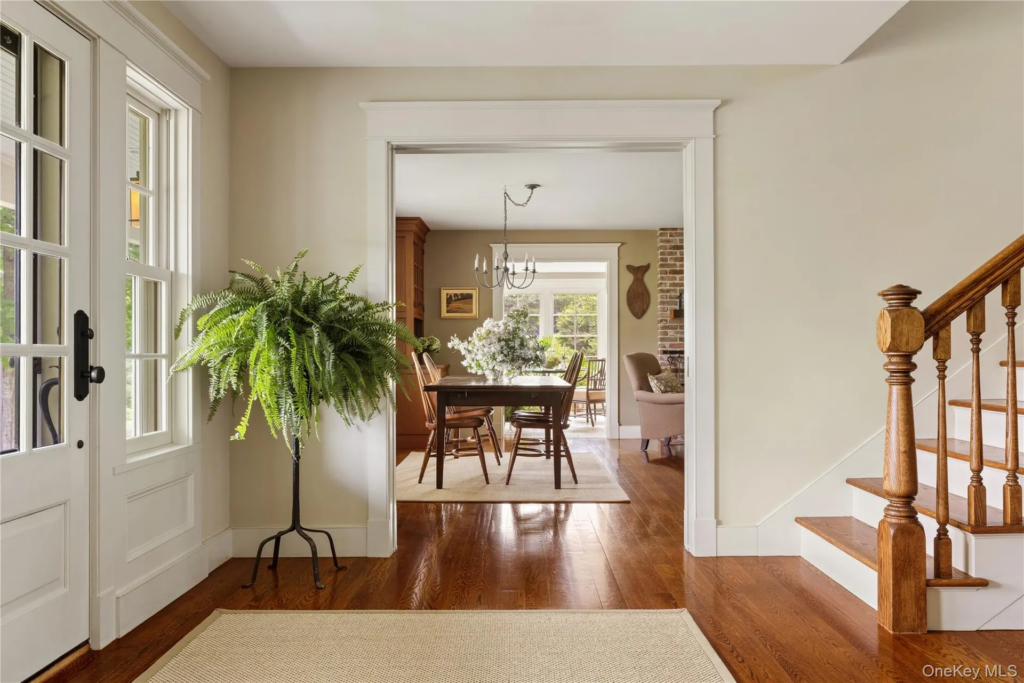
Once the heart of a 300-acre dairy farm, this property has served Columbia County for well over a century, with a farmhouse occupying the site for more than 100 years. The estate honors the region’s agricultural heritage while thoughtfully adapting it for modern living.
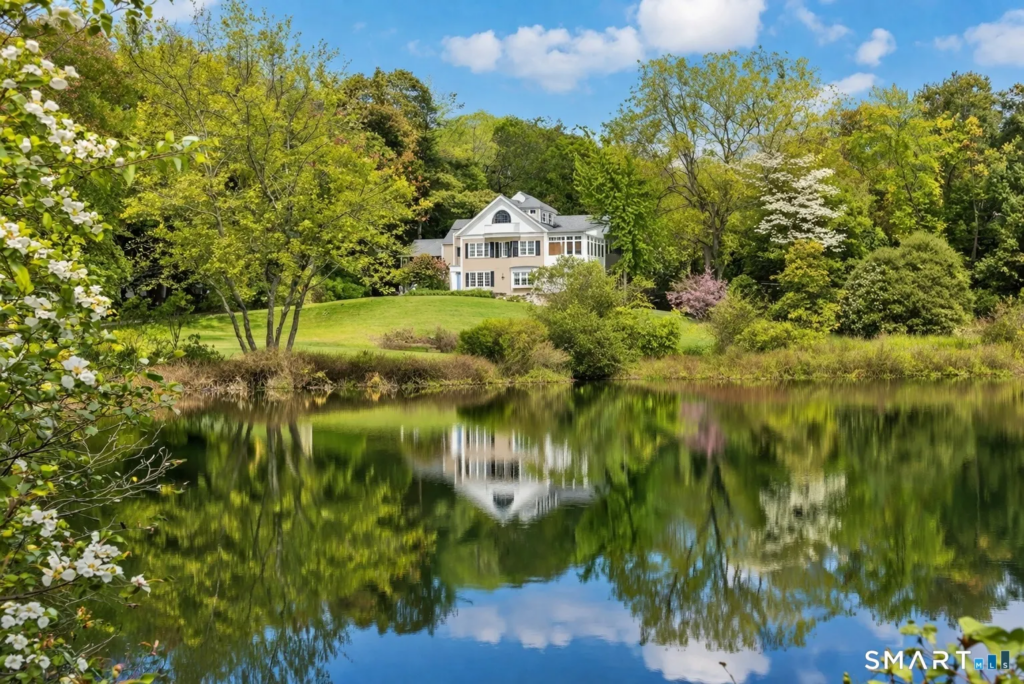
Originally constructed around 1780, this beautifully restored Connecticut antique predates the founding of the United States by just a few years. The home offers a tangible connection to colonial New England while preserving centuries of craftsmanship and rural character.
105 St Marks Avenue – Prospect Heights, Brooklyn
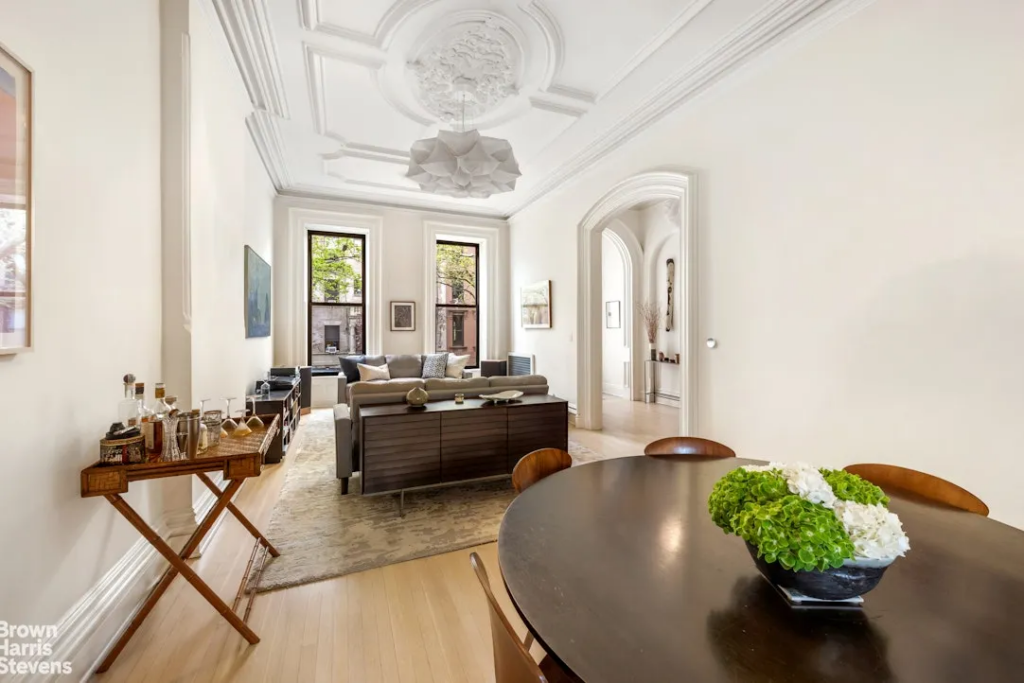
Built in 1873, this Italianate brownstone is located on one of Prospect Heights’ landmark blocks and reflects Brooklyn’s remarkable 19th-century residential expansion. Its preserved period details embody the craftsmanship that helped define the borough’s iconic brownstone architecture.
June 25, 2026
2 Min Read
Search Blog